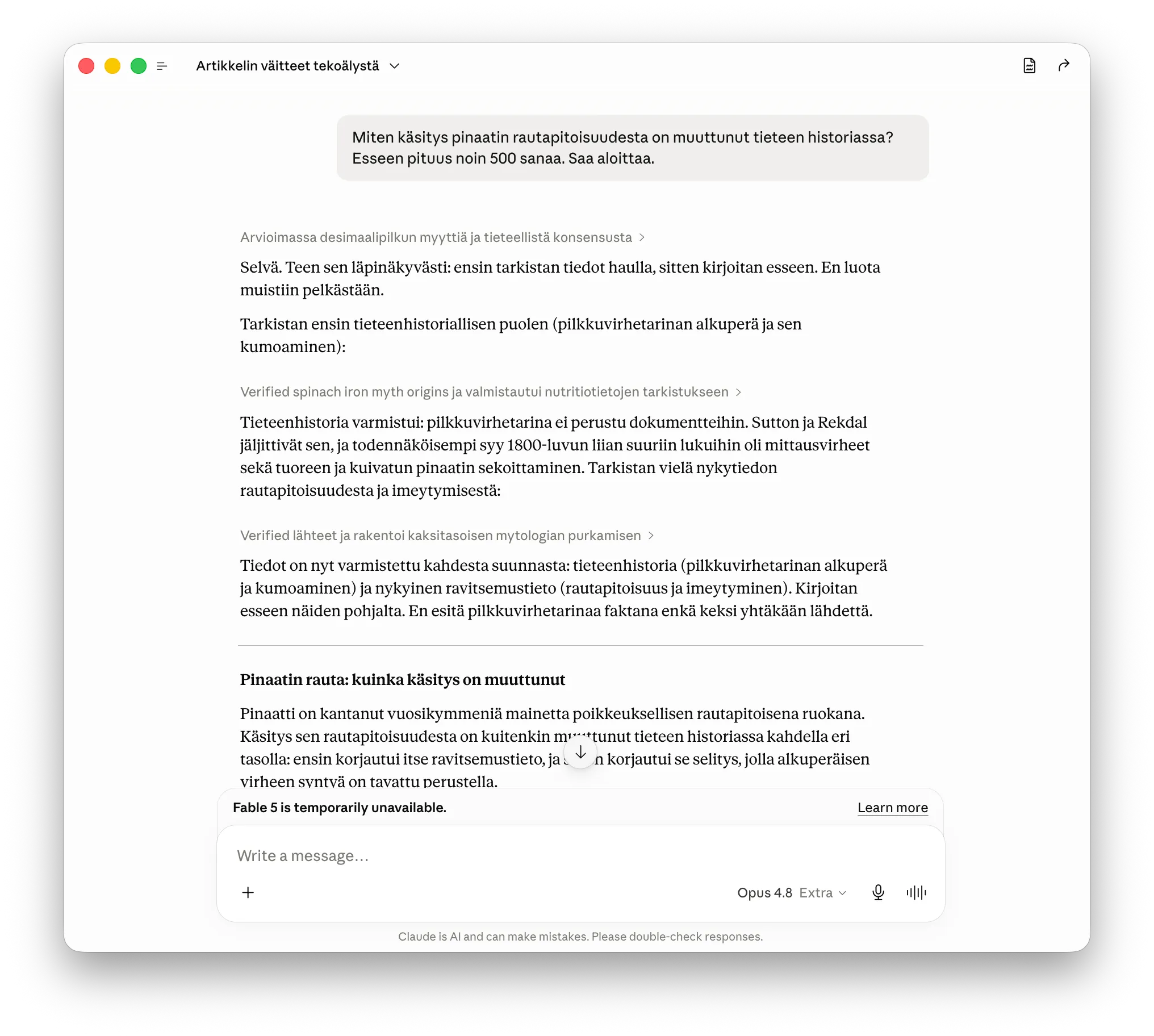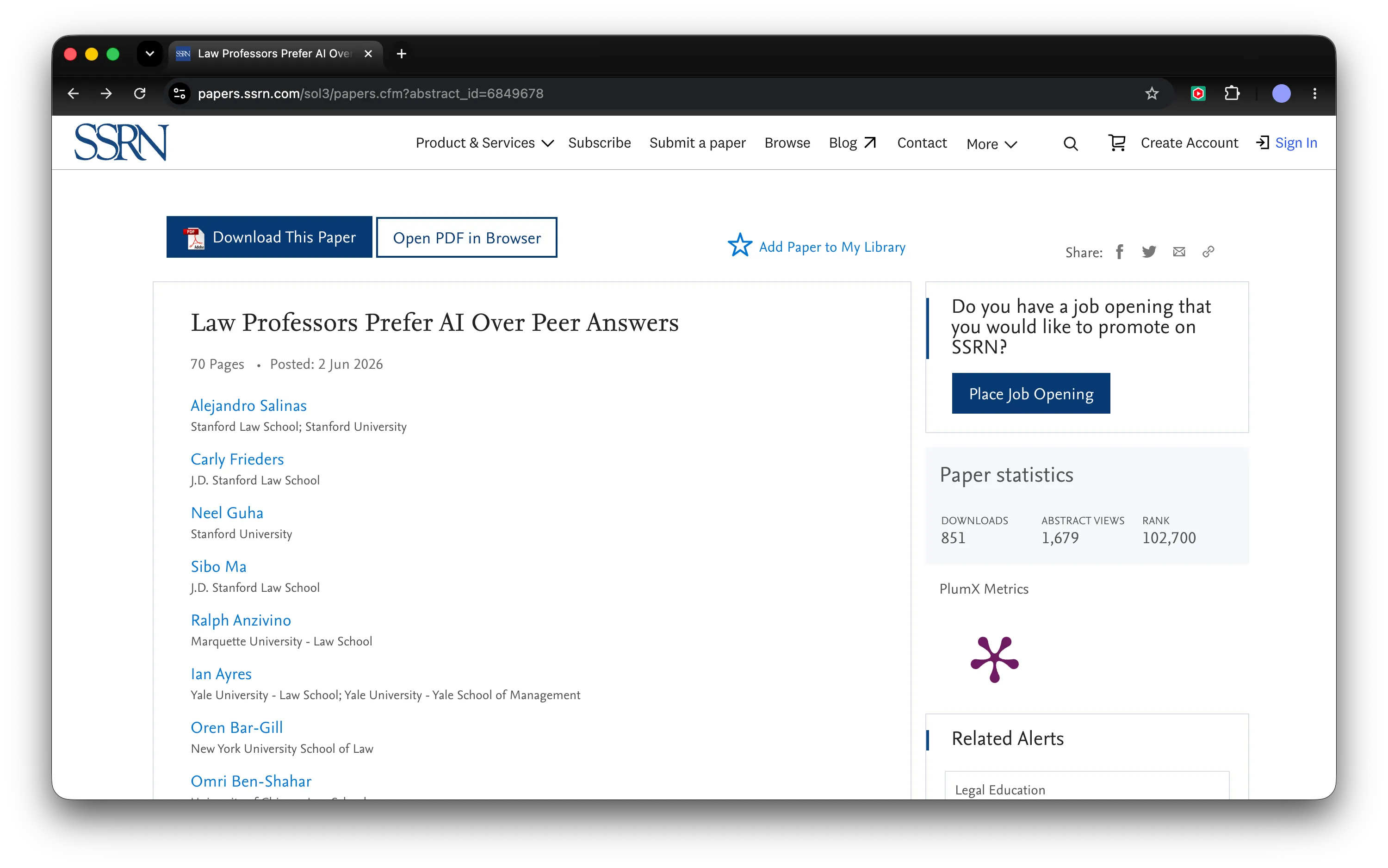

AI has already transformed the field of communications enormously. Generative AI can produce content with unprecedented efficiency. In an interview published in Helsingin Sanomat (week 11/2025), technology specialist Mikko Alasaarela estimated that as early as the start of 2024, more than half of all online content was AI-generated. Alasaarela expects the trend to accelerate further and believes that by the end of this year as much as 90 per cent of internet content will be produced with AI.
Although AI offers enormous opportunities, the core questions of communications are not going anywhere: how do you address people genuinely and humanly? And how do you preserve trust and credibility?
AI as a communicator’s partner
Communications professionals have adopted AI widely over the past year. According to ProCom’s online panel of senior communicators, in 2024 more than 80 per cent of respondents said they use AI in their work. For communications professionals, mastering AI is a significant competitive advantage — or even a prerequisite — in the job market. Generative tools make it possible to produce text, images, and video quickly, precisely targeted, and in the desired tone of voice. That efficiency also provokes a counter-reaction, though, because the best communication is often experienced as genuine interaction between people.
Communication is, above all, interaction, emotion, and stories people can identify with. AI has its limits: it can simulate an emotional writing style, but it does not feel emotion. Genuinely moving, understanding communication requires a human being.
Generative AI easily produces generic, impersonal content that neither stands out nor engages an audience. Authenticity and personality require — at least so far — a human. Then there are the ethical questions and reliability. The credibility of communication rests on trust, and trust arises from openness and honesty, neither of which AI guarantees in itself. A human is needed for that too. In that sense, it is already fair to say that communications professionals will be needed in the future as well, even if job descriptions change.
AI as a theatre of personas
The futurist and technology influencer Risto Linturi has aptly described AI models as a massive theatre in which the user has to find the right character to meet their needs. The important human task becomes understanding when and how to use AI, and in which situations the human touch is irreplaceable.
AI is not the destroyer of communications but a powerful ally. I believe the organisations that succeed will be those that manage to combine human creativity and empathy with the possibilities AI offers. The future belongs to those who can make use of the technology without losing their human touch.
Links and sources
https://www.hs.fi/visio/art-2000011016643.html
https://www.procom.fi/uutiset/tekoalyosaaminen-on-jo-rekrytointikriteeri-viestinnan-tehtaviin/
https://www.hs.fi/visio/art-2000011079703.html
About the writer
Anni Lehti (LinkedIn) is an experienced communications professional with nearly 20 years in media, international listed companies, and the startup world. She currently works as communications manager at the care company Attendo. Lehti is passionate about what AI can offer for developing communications and actively invests in strengthening her own AI expertise.
Enjoyed this article? Subscribe to get notified about new Tekoälyfoorumi articles straight to your inbox. We’d also hugely appreciate it if you left us a review on Google. Thank you. 💙