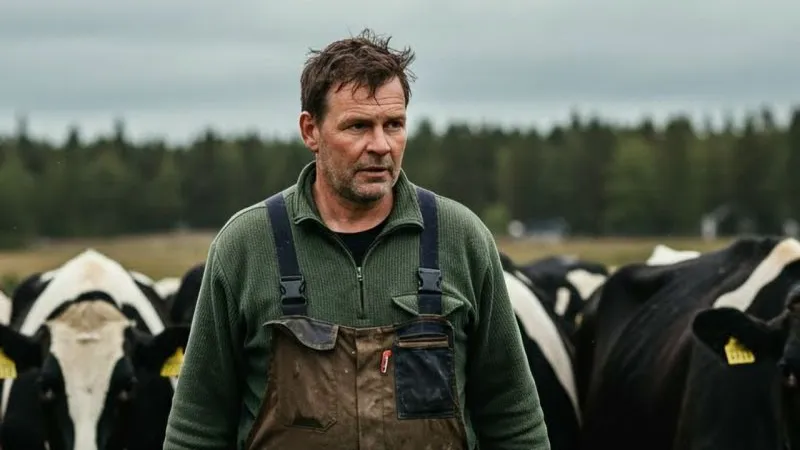
“The question is no longer whether AI can make photograph-like images, but when they become entirely indistinguishable from the real thing,” writes Antti Heikkilä, a specialist in AI and visual expression.
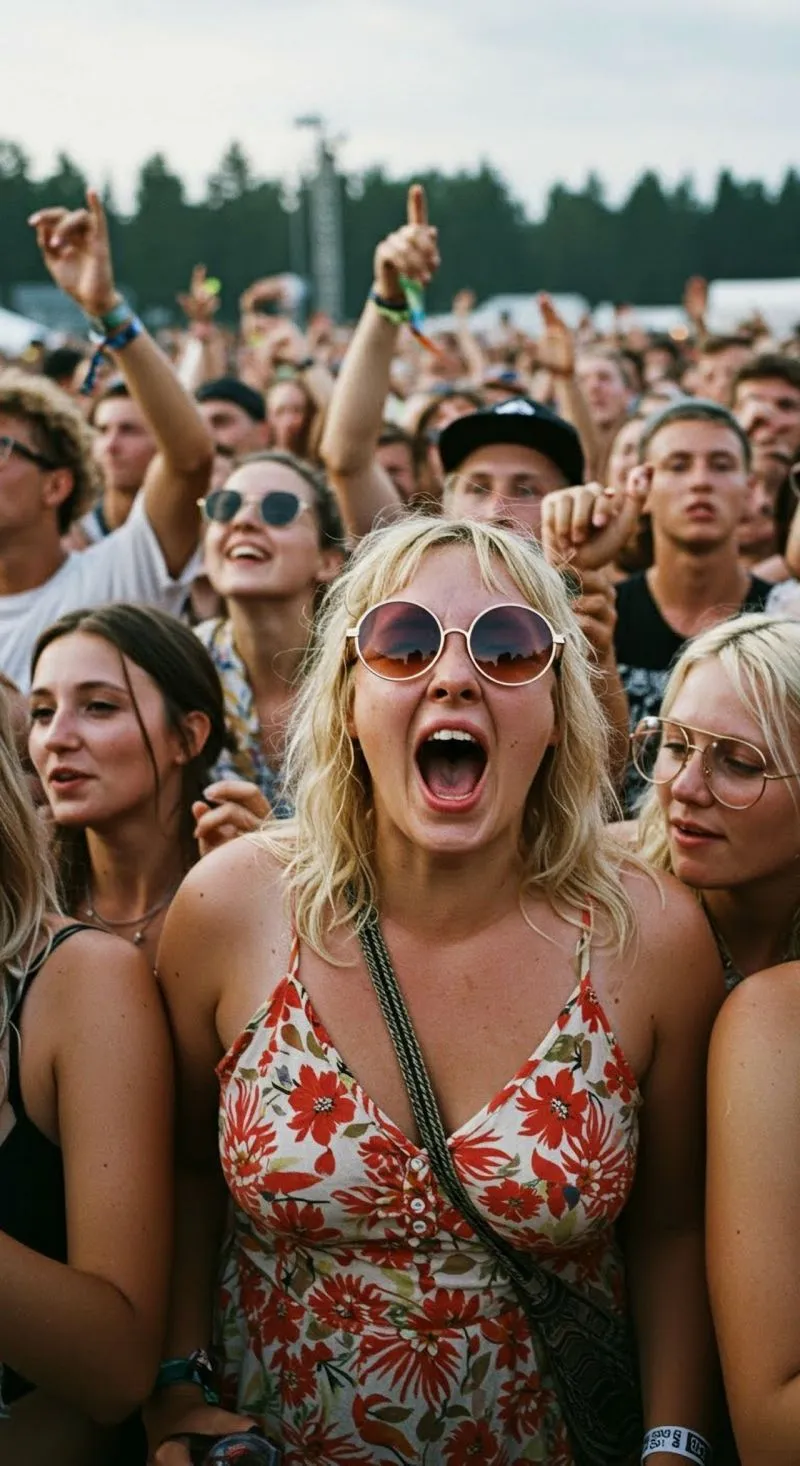
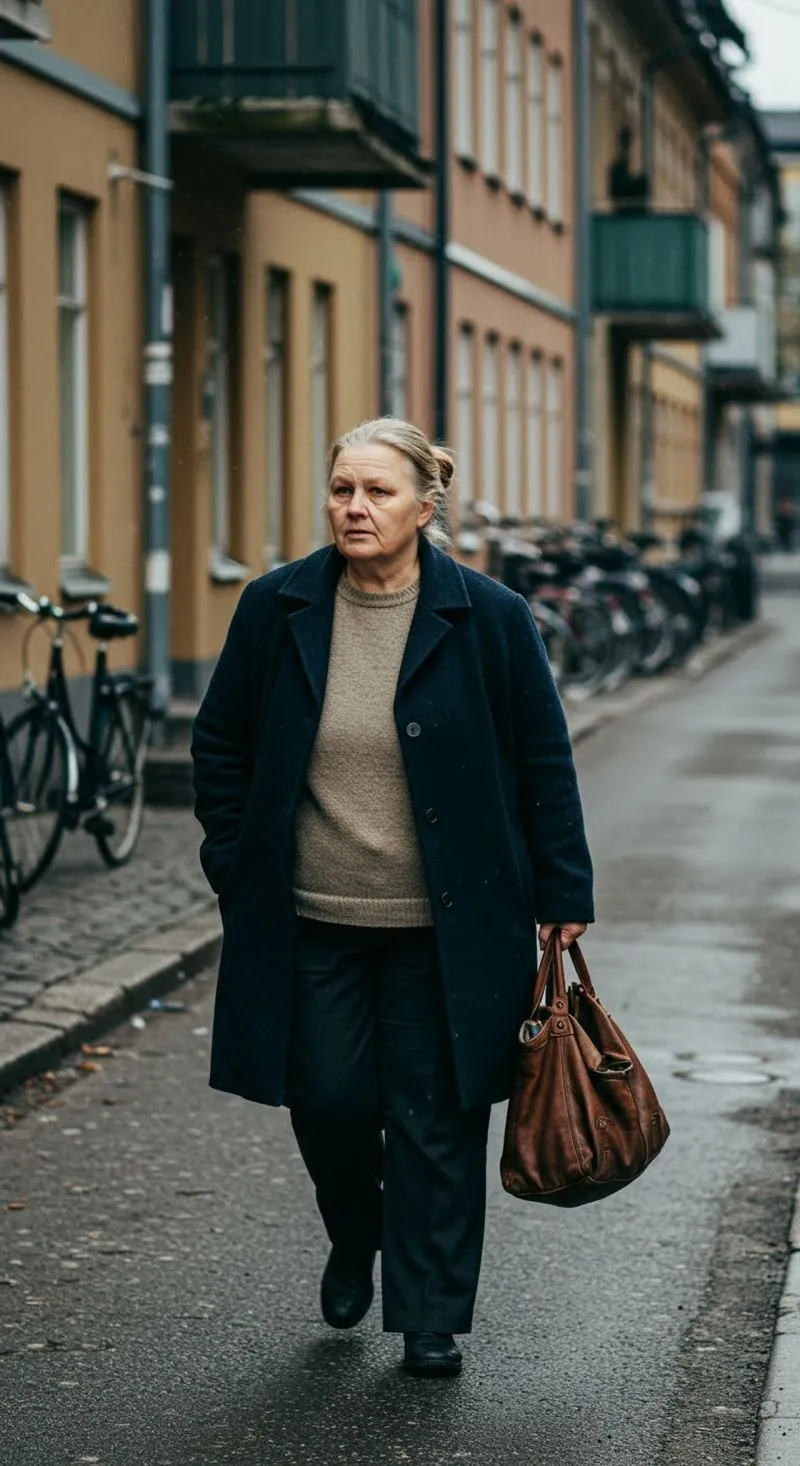
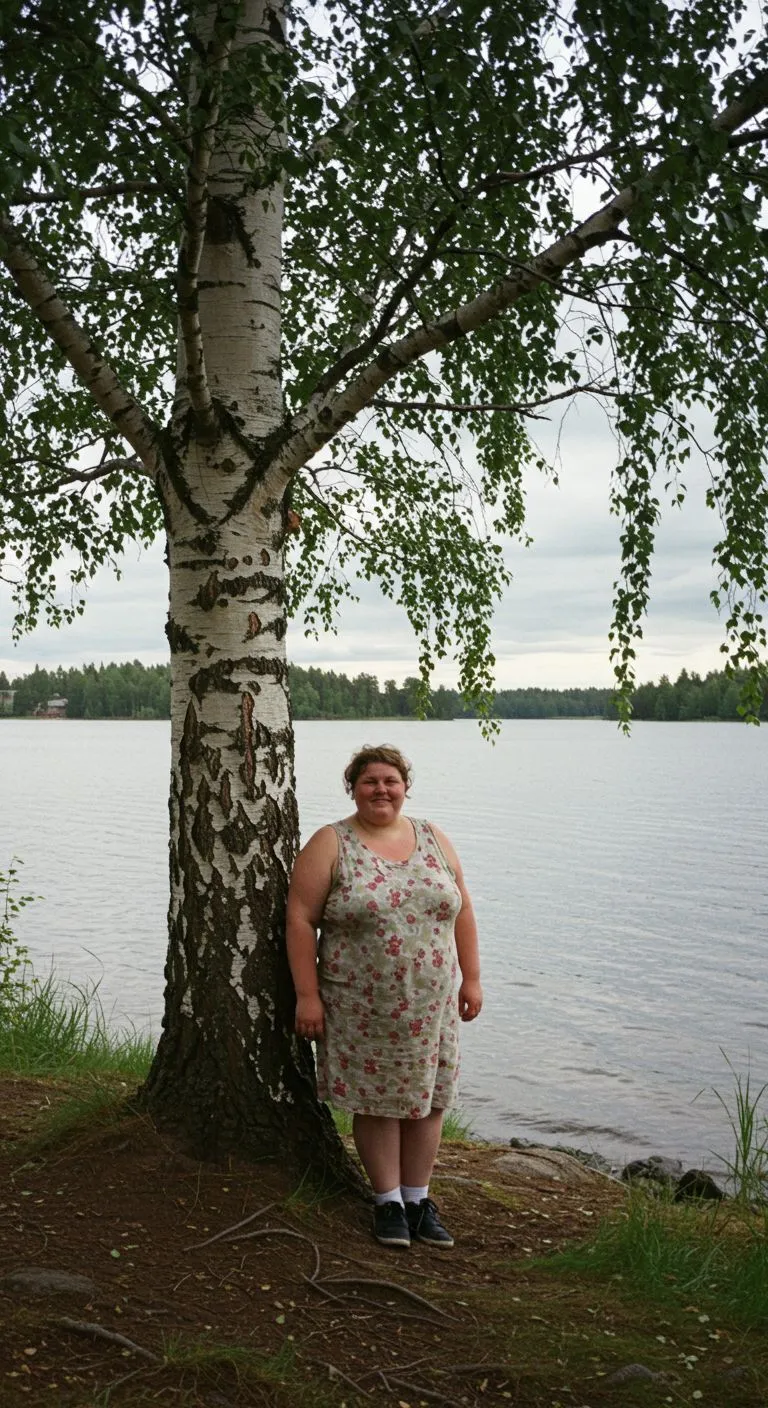
Antti Heikkilä actively shares AI-generated image series on LinkedIn and asks his audience to find the mistakes in them. The reactions have surprised him. What mistakes can you find in these images?
How realistic are AI-generated images really?
The realism of AI-generated images and whether they can be recognised is a live debate. Can an AI image fool a person? How do you spot an AI-made image? These questions came up when I shared an AI-generated image series of a Finnish summer cottage landscape on LinkedIn. I asked people to find the mistakes in it: “Name one mistake that would reveal this as AI-made. I can’t find any.” The audience’s reaction surprised me completely.
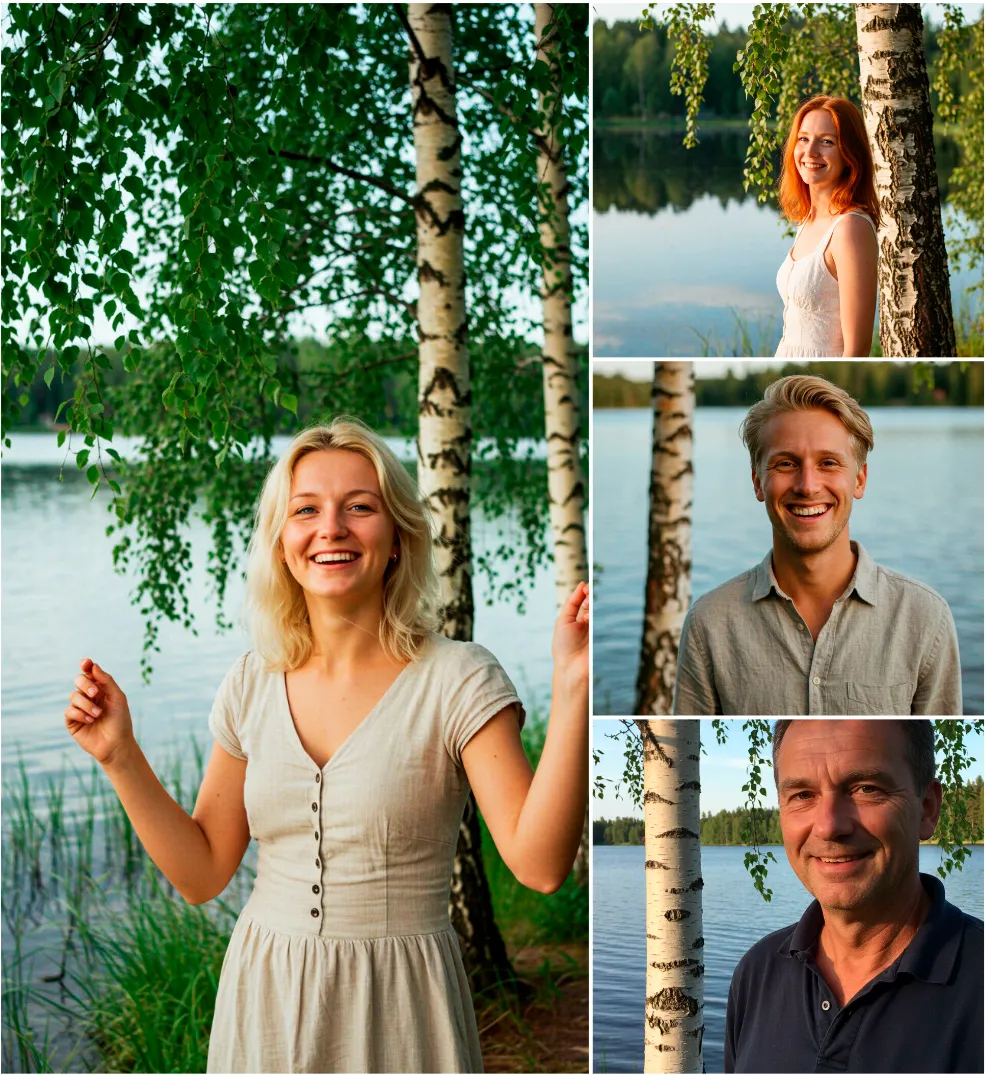
That was how I opened the LinkedIn post in which I shared unprocessed AI images of “Finns in cottage landscapes”. The post got nearly 500 reactions, 450 comments, and 180,000 impressions. The most common comments focused on one thing: the people in the images were too happy. Not the number of fingers or anything else obvious.
Since then I have published AI images on a “find the mistakes” theme at 6:45 every weekday, and the discussion is still lively. Judging from the comments, AI images would pass many people by in a normal image feed, and only on closer inspection do the unnatural details start to appear.
The most typical mistakes in AI images
Although AI images have developed fast, the comments suggest they still contain typical mistakes that give them away:
The skin texture is often unnaturally even, and the sharpness varies in a way that doesn’t match camera optics.
There are also inconsistencies in the lighting — in an outdoor shot, for example, the subject can look lit as if indoors.
Sometimes facial features repeat: several people resembling one another can appear in the same image.
It is also common for the person in an AI image to stand out from the background too clearly, which makes the image unnatural. The person may be sharp throughout and so stand out unusually strongly from the background, looking inauthentic.
In another post I showed two images and asked whether one of them was a photograph. The images were slightly different because they had been made with different AI systems: Imagen and Flux. A large proportion of people took the unprocessed Imagen image for a photograph. That tells you certain AI tools can already produce almost entirely realistic images.
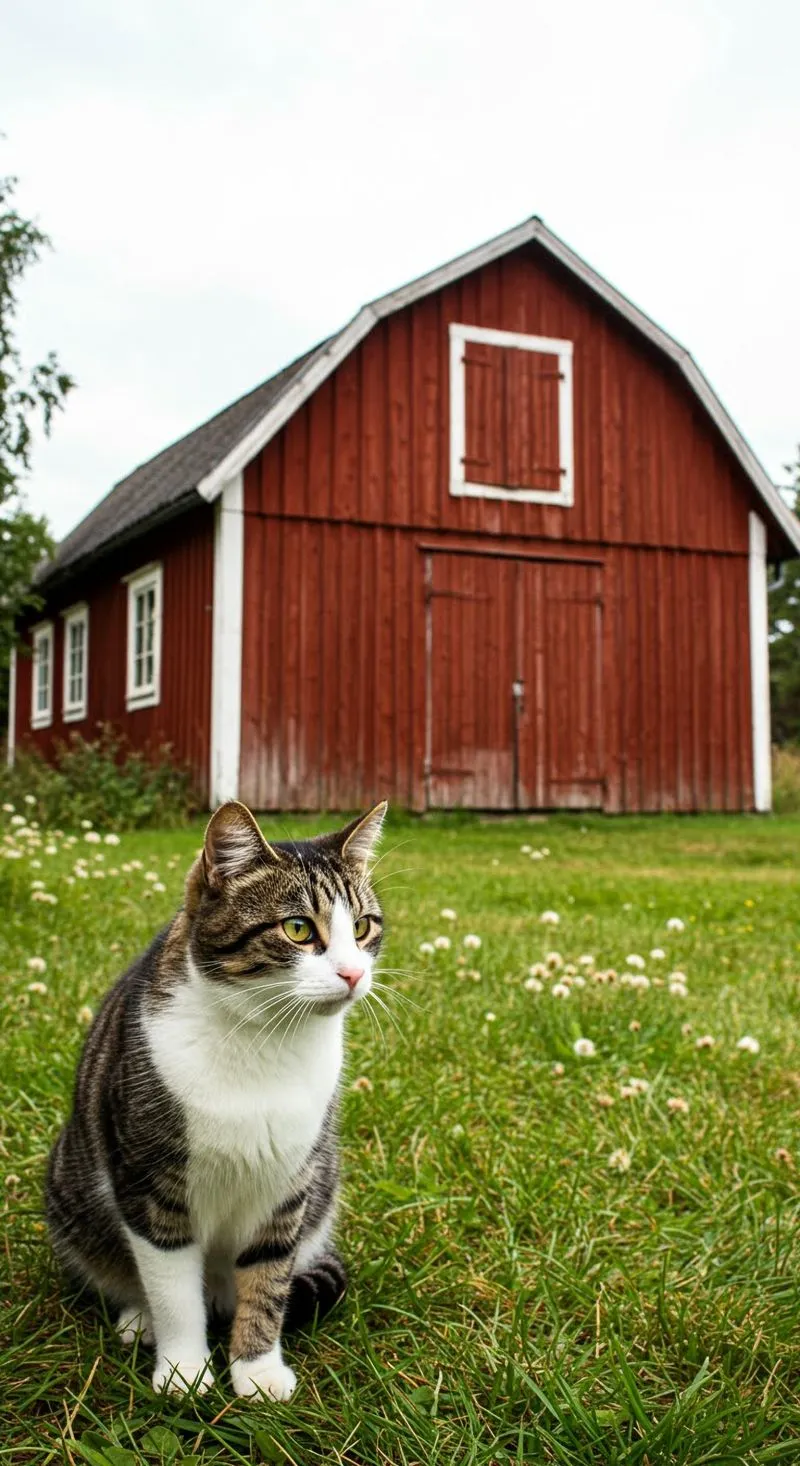
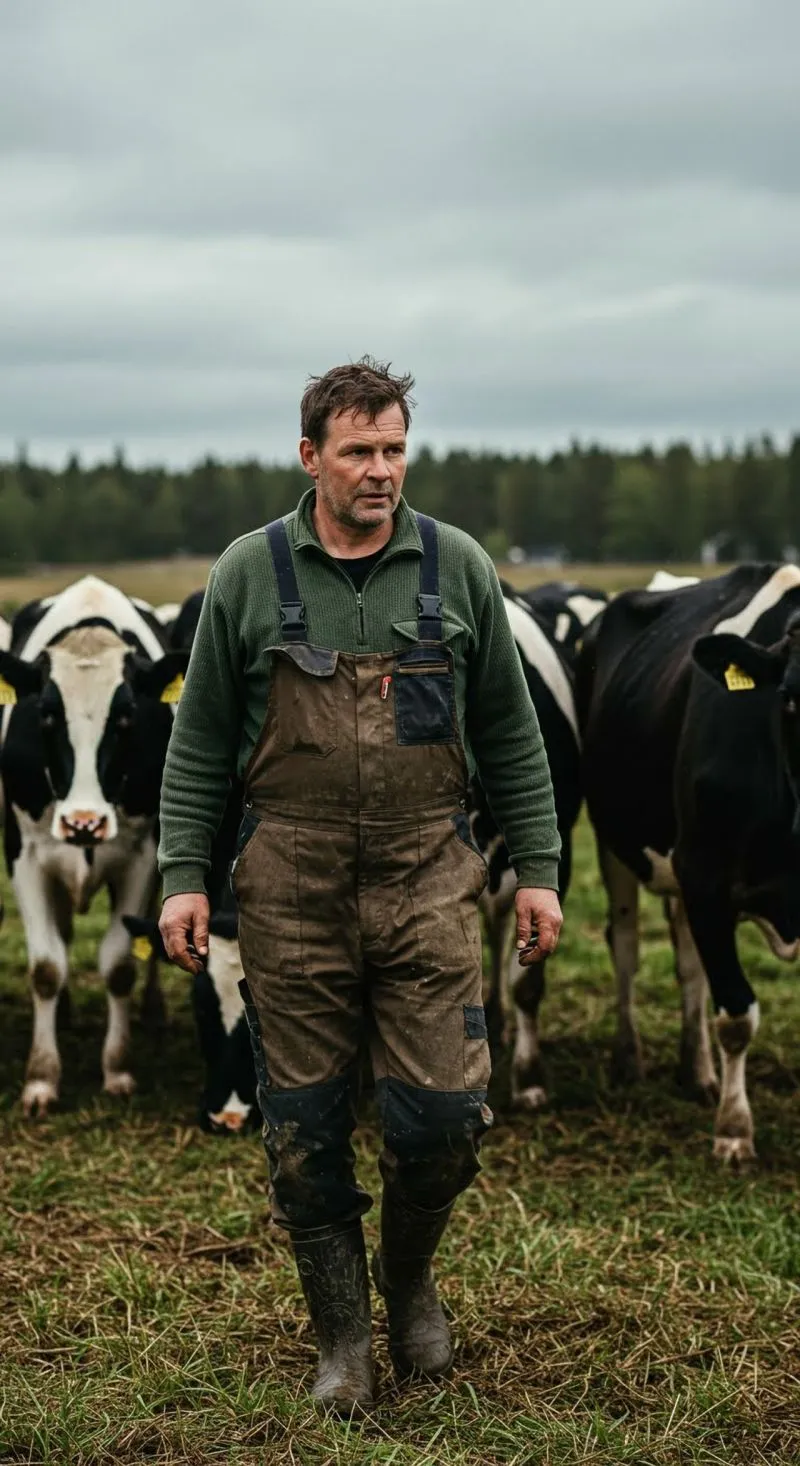
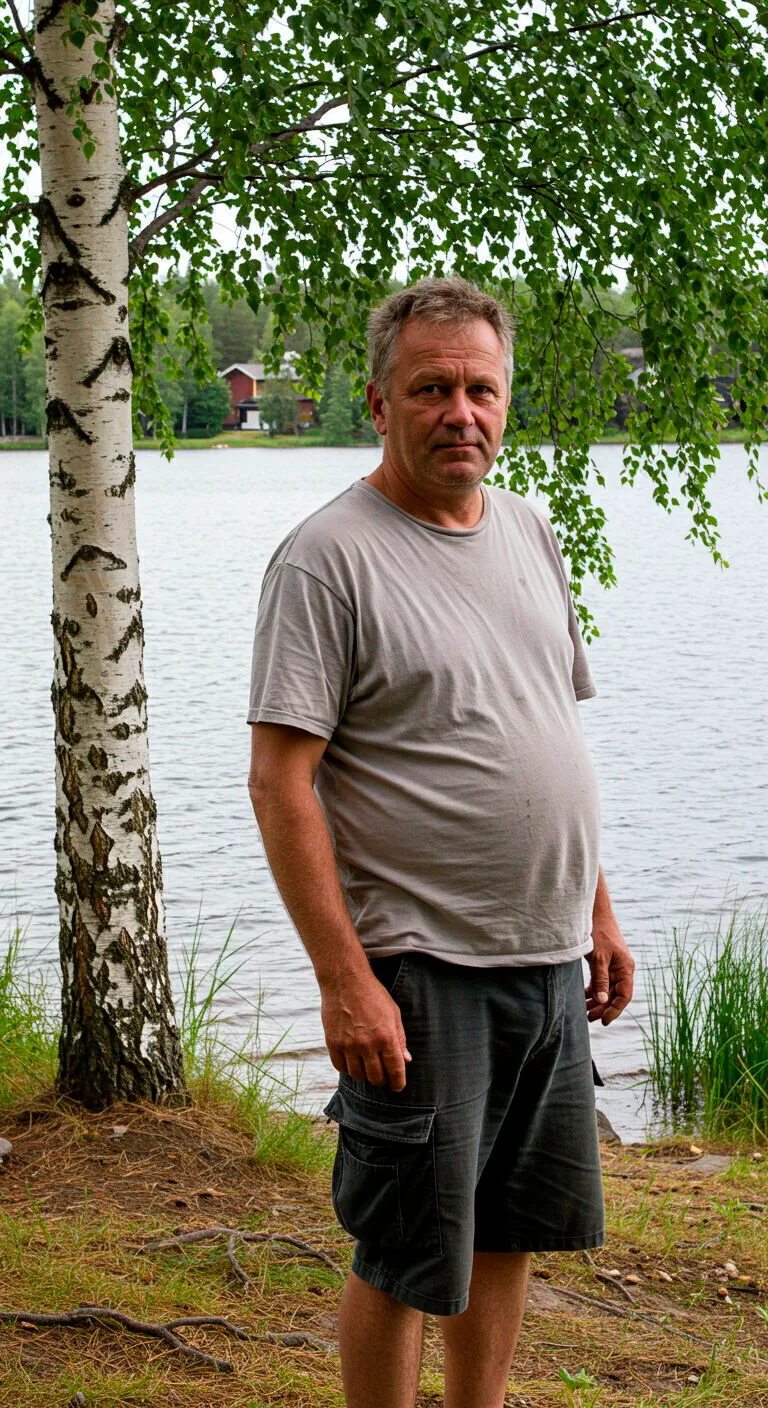
Are these AI-generated images, or possibly stock photographs?
AI image generators
I have tested a number of AI-based image generators, and each has its own recognisable signature:
With Flux I trained AI models of myself, our dog, and a fictional product, which can be prompted into different situations and environments. The output is good, if slightly waxy. Flux is clearly the most versatile for creating and editing images.
Recraft gives realistic output and has useful style presets, but is more limited in how much you can adjust.
Magnific lets you create enormous images and prompt a new texture onto your own images, for example.
Imagen is currently my favourite for prompting realism, and I’ve used it most in my LinkedIn posts.
There is a vast number of tools for generating images, and each has its own, often recognisable, signature. Who wouldn’t recognise an image made with DALL·E (ChatGPT’s image generator)? There are clear differences in the quality of AI-generated images, and different tools are worth using for different purposes.
Short descriptions of and links to the tools mentioned above are at the end of this piece.
How do people react to AI-generated images?
It is fascinating to watch how differently people experience the AI images they encounter.
For some they evoke memories and emotions, while others find them unpleasant. Obvious mistakes, such as extra fingers, are increasingly rare, but viewers notice when something feels “inauthentic”.
The feeling may relate to the light, to expressions, or to a mismatch in the details. Or to the sense that in AI characters’ eyes “nobody is looking back”. Many people, on the other hand, notice nothing strange and accept the images without hesitation. This development opens up interesting possibilities in marketing and art, but also questions about how visual media should be assessed in future.
The question is no longer whether AI can make photograph-like images, but when they become entirely indistinguishable from the real thing. Then again, you might ask whether we will start to look at an AI image differently from a photograph. In that case what matters is not its unerring photographic quality but that we accept it as what it is, a form of visual expression in its own right.
That question interests me more.
About the writer
Antti Heikkilä is a specialist in AI and visual expression with a strong background in creative work, management, and entrepreneurship. He researches and develops ways in which AI can enrich visual storytelling and image-making. In his work he combines technology and creativity, creating insightful and compelling visual content with AI. He shares his views on the intersections of AI and visual expression and shows how AI can serve as a tool for creative professionals.
About the AI image generators mentioned
Flux: developed by Black Forest Labs, Flux is an advanced text-to-image model using multimodal and parallel diffusion transformer architectures. It produces high-quality, detailed images comparable to other top-tier AI image generators. (https://flux-ai.io/)
Recraft V3: Recraft’s newest version is designed particularly for professional graphic design and image generation. It supports long text descriptions and allows the placement and sizing of text within images, making it a versatile tool for complex design needs. (https://www.recraft.ai/)
DALL·E 3: developed by OpenAI, DALL·E 3 is the third version of the popular text-to-image model. It can create varied, creative images from complex text descriptions, combining deep text understanding with image generation. (www.chatgpt.com)
Imagen: developed by Google, Imagen is a text-to-image model combining a large language model with an image generator to produce photorealistic images at high fidelity. It uses advanced text understanding and image generation techniques to achieve high-quality results. (https://imagen-ai.com/)
Magnific AI: an advanced AI-based image quality enhancer that enables high-resolution upscaling, the addition of detail, and editing an image to look natural. The user can control the result with parameters such as a “Creativity” slider. (magnific.ai)